An Energy Performance Certificate is a legal requirement for selling or renting most UK properties, and the assessment itself is one of the cheaper parts of the process. The real cost most homeowners end up caring about is what it takes to actually improve a poor rating, since that is where the meaningful money and decisions sit.
This guide covers realistic 2026 UK costs for getting an EPC assessed, and what it genuinely costs to move your rating up a band or two.
EPC Assessment Costs
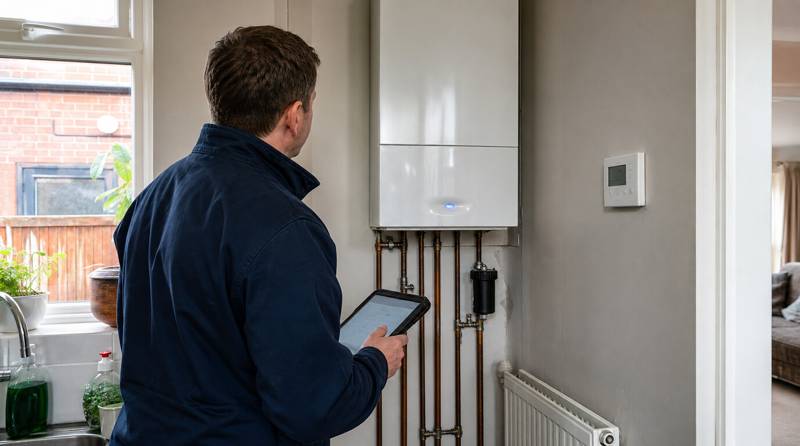
The assessment itself is a fixed-fee visit from a qualified Domestic Energy Assessor, who inspects the property and produces the certificate. Prices vary by property size, location and how quickly you need it done.
| Property Type | Typical Cost |
|---|---|
| Flat or small terrace | £50 to £80 |
| Standard 3-bed semi | £60 to £100 |
| Large detached house | £90 to £150 |
| Commercial property (small unit) | £100 to £250 |
| Same-day or urgent assessment | £20 to £50 premium |
The certificate is valid for 10 years once issued, so unless you have made significant energy efficiency changes or are marketing the property again after the certificate expires, you generally only need to pay for this once per decade.
When You Legally Need One
An EPC is a legal requirement in England, Wales and Northern Ireland whenever a property is sold or let, and it must be commissioned before the property is marketed, not just before completion. Landlords must provide tenants with a valid EPC, and since 2018 privately rented properties generally need a minimum rating of E to be legally let, with limited exemptions.
New builds require an EPC as part of building regulations completion. Selling without a valid EPC in place, or without having commissioned one before marketing, can result in a fine from local authority trading standards, typically £200 for a first offence.
What It Costs to Improve Your Rating
This is where the real budget decision sits for most homeowners. The cost to move up a band or two depends heavily on your starting rating and which improvements are still outstanding.
| Improvement | Typical Cost | Rating Impact |
|---|---|---|
| Loft insulation top-up | £300 to £600 | Small to moderate |
| Cavity wall insulation | £500 to £1,500 | Moderate to significant |
| Draught proofing (doors, windows, floors) | £150 to £400 | Small |
| Double glazing (whole house upgrade) | £3,000 to £8,000 | Moderate |
| New efficient boiler | £2,000 to £4,000 | Significant |
| Solid wall insulation (internal or external) | £5,000 to £15,000 | Significant |
| Solar panels | £5,000 to £9,000 | Moderate to significant |
| Smart heating controls | £150 to £400 | Small |
Loft insulation and draught proofing offer the best value for the rating improvement per pound spent, and are usually the first recommendations on the certificate's improvement suggestions. Cavity wall insulation and a new boiler tend to make the biggest practical difference for homes still on older systems.
Typical Rating Improvement Costs by Starting Point
- E to D: £1,000 to £3,000, often achievable with loft insulation, draught proofing and boiler servicing or minor upgrades.
- D to C: £1,500 to £6,000, typically needs cavity wall insulation or a boiler replacement on top of the cheaper measures.
- F or G to D or C: £5,000 to £15,000, usually requires solid wall insulation or a full heating system overhaul alongside everything else.
Grants and Funding Available
Several schemes can offset improvement costs, though eligibility varies by circumstance and location.
- ECO4 (Energy Company Obligation): Available to low income and vulnerable households, can cover insulation and heating upgrades at no cost to eligible applicants.
- Boiler Upgrade Scheme: £7,500 grant toward a heat pump installation, available UK-wide regardless of income, though the heat pump itself still costs more than a gas boiler overall.
- Local authority schemes: Some councils run additional insulation or heating grants, particularly for older or fuel-poor households. Availability varies significantly, check your local council's website.
- Landlord-specific support: Some regions offer targeted funding to help landlords meet the minimum E rating requirement ahead of any future tightening of rental EPC rules.
How to Get the Best Price
- Book directly with a certified assessor rather than through a middleman site. Comparison sites often add a booking fee on top of the assessor's actual rate.
- Combine the assessment with a home survey if you are already having one done. Some surveyors are also qualified assessors and can save you a second callout.
- Prioritise cheap wins before paying for a full assessment if you know your rating is currently poor. Loft insulation and draught proofing are inexpensive and can be done before the assessment to secure a better rating first time.
- Get at least two quotes for any improvement work. Insulation and heating installer pricing varies meaningfully for identical specifications.
- Check grant eligibility before paying out of pocket. ECO4 and the Boiler Upgrade Scheme can cover some or all of major improvement costs for eligible households.
An EPC assessment costs £60 to £120 in the UK in 2026 and is a legal requirement before selling or renting a property. The real cost sits in improving a poor rating, typically £1,500 to £6,000 to move from D to C, more for lower starting ratings. Check grant eligibility before paying out of pocket, and prioritise loft insulation and draught proofing first, since they offer the best value per pound spent. If you are planning wider improvements, see our guide on underfloor heating costs too.