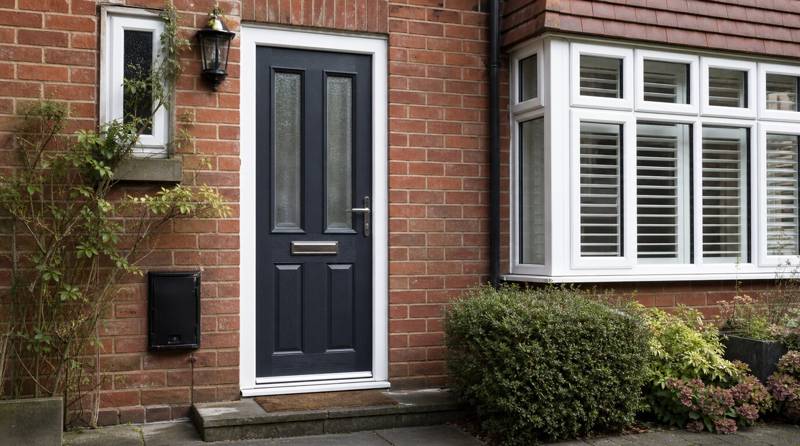
A new front door does more than change the look of your house. It is one of the first things a security assessor, an energy assessor and every visitor notices, and an old or damaged door can quietly leak heat and undermine your home insurance if the locking mechanism does not meet current standards. Prices vary a great deal by material, so it pays to know what you are actually comparing before you get quotes.
This guide covers realistic 2026 UK prices for every common front door material, what pushes the price up, and how to avoid paying over the odds for what is usually a half-day job.
Front Door Costs by Material
The material is the single biggest factor in your quote. Composite doors dominate the UK market because they combine the look of timber with far less maintenance, but every material has a place depending on your budget, your property type and how much upkeep you are willing to do. The table below covers realistic supplied and fitted prices for 2026, based on a standard single door and frame replacement.
| Door Material | Supplied and Fitted |
|---|---|
| uPVC panel door | £400 to £900 |
| Composite door | £900 to £1,500 |
| Composite door, glazed with sidelights | £1,400 to £2,400 |
| Solid timber (hardwood) | £1,200 to £2,500 |
| Solid timber (softwood, painted) | £800 to £1,600 |
| Steel security door | £1,200 to £2,800 |
| Aluminium door | £1,300 to £2,600 |
| Fibreglass (GRP) door | £850 to £1,600 |
Fitting Labour Costs
Labour is usually a smaller share of the total on a front door job than it is on larger home improvements, since most of the cost sits in the door itself. Still, the type of fitting job you need changes the price considerably.
| Job Type | Typical Labour Cost |
|---|---|
| Like-for-like door swap (existing frame kept) | £150 to £350 |
| New door and frame together | £250 to £500 |
| Widening or altering the opening | £400 to £900 |
| Brickwork repair around the frame | £150 to £400 |
| Removal and disposal of old door | £40 to £80 |
Most FENSA or CERTASS registered installers quote a single supplied-and-fitted price rather than breaking out labour separately. If you are supplying your own door and only need it hung, expect installers to charge toward the lower end of the like-for-like range, since they are not carrying the risk of the product itself.
What Affects the Price
- Glazing: Glazed panels, sidelights and decorative glass all add cost. A fully glazed composite door with sidelights can cost £500 to £900 more than a solid panel equivalent.
- Colour and finish: Standard white or a basic woodgrain foil is included in most base prices. Bespoke RAL colours, dual colour finishes inside and out, and anthracite grey typically add £100 to £300.
- Locking mechanism: A standard multi-point lock is usually included, but upgrading to a higher security cylinder rated to anti-snap standards (TS007 3-star or equivalent) adds £80 to £180.
- Frame condition: If the existing frame or surrounding brickwork has moved or rotted, expect additional remedial work of £150 to £400 before the new door can be fitted properly.
- Opening size: Non-standard or wider openings, common on older properties, may need a bespoke frame rather than an off-the-shelf size, adding £200 to £600.
- Porch or canopy work: If a porch canopy or surrounding trim needs to be removed and refitted, this adds half a day of extra labour.
- Location: London and the South East typically run 15 to 25 percent higher than the Midlands, North of England, Scotland and Wales for the same specification.
Full Project Cost Examples
- Budget uPVC replacement, existing frame kept: £550 to £900 fully installed.
- Standard composite door and new frame: £1,000 to £1,700, the most common job on this list.
- Composite door with glazed sidelights, upgraded lock: £1,800 to £2,900.
- Solid oak front door, painted finish: £1,600 to £3,000 depending on size and ironmongery.
- Steel security door for a high-risk property: £1,500 to £3,200 including certified multi-point locking.
Door Furniture and Extras
Base prices usually include a standard handle set and letterplate, but upgrades are common and worth pricing separately.
- Upgraded handle and knocker set: £40 to £150
- Smart lock or video doorbell integration: £150 to £400 for supply and fitting
- Letterplate relocation or draught-proof cowl: £30 to £80
- Threshold or weather bar replacement: £40 to £100
- Spy hole or door viewer: £15 to £40
How to Save Money on a New Front Door
- Keep the existing frame if it is sound. A like-for-like swap saves £100 to £250 in labour compared to a full frame replacement.
- Choose a standard colour. White and standard woodgrain foils are included in most base prices, while bespoke RAL colours carry a premium.
- Compare at least three quotes. Composite door pricing varies significantly between installers for the same specification, often by £300 or more.
- Ask what is included in the price. Confirm whether the multi-point lock, cill, trims and disposal of the old door are all included before comparing quotes.
- Book outside peak season. Late autumn and January tend to be quieter for installers, and some offer modest discounts to keep the diary full.
- Check FENSA or CERTASS registration. A registered installer self-certifies the work to Building Regulations, saving you the separate cost and hassle of notifying building control yourself.
Building Regulations and Part L
Replacing an external door in England and Wales is covered by Part L of the Building Regulations, which sets a minimum thermal performance standard for the new door. FENSA and CERTASS registered installers can self-certify compliance as part of the job and will register the installation with local authority building control automatically. If you use an installer who is not registered with either scheme, you are responsible for notifying building control yourself, which typically costs an additional £150 to £300 in fees and adds time to the project. Always ask to see registration proof before booking.
DIY vs Hiring a Professional
Fitting a front door yourself is technically possible if you already have carpentry experience, but the margin for error is small. A door that is not hung perfectly square will not seal properly against drafts and rain, and a poorly fitted lock undermines the security rating the door was bought for. Most people without joinery experience find that the money saved, typically £150 to £350 in labour, is not worth the risk on what is effectively the main security barrier for the whole house. It is also worth noting that a self-installed door does not carry FENSA or CERTASS certification, which can matter when selling the property.
A new front door in the UK costs £700 to £1,800 supplied and fitted for most homeowners in 2026, with composite the most popular middle-ground choice. uPVC is the budget option, timber and steel sit at the premium end. Get at least three quotes, confirm the installer is FENSA or CERTASS registered, and check exactly what is included, particularly the lock rating and whether the frame is being replaced. If you are tackling several exterior jobs at once, see our guide on window replacement costs too.